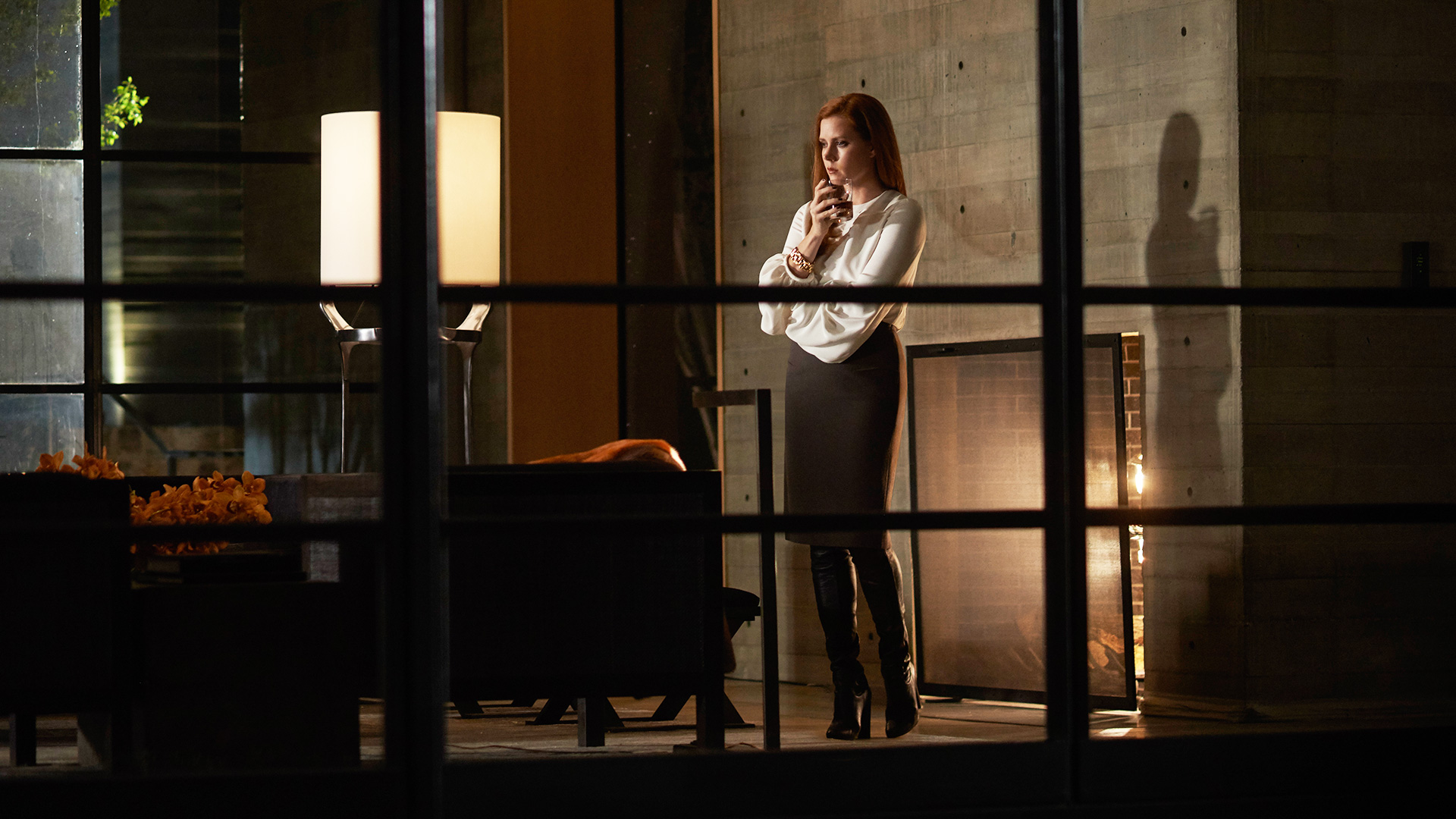
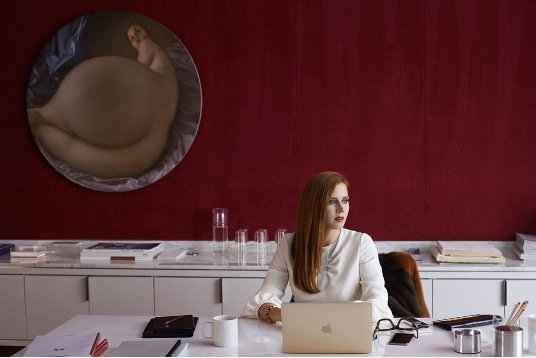
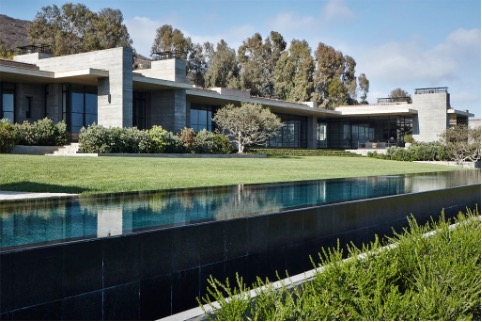
“Well-acted and lovely to look at” says Rotten Tomatoes, giving Tom Ford’s ‘neo-noir psychological thriller’ an approval rating of 74%. This is not a film review site so I will skip past that part and focus on the ‘lovely to look at’ bit. The movie has a few uncomfortable bits and to be honest I skipped past those parts too – I was mainly watching to see the house of the lead character Susan Morrow (Amy Adams) a wealthy art dealer. The house, a multi-million mansion in the Hollywood Hills, is actually a 15,000 square foot Malibu mansion set in six acres and featuring the longest private pool in California (168 feet). Owned at the time of the movie by Kurt Rappaport, the real estate businessman, it was rented to the production company for a million dollars a month and recently sold it for $120million. Designed by Scott Mitchell Studio It featured in Architectural Digest in 2014.
A Tom Ford movie is going to suggest that style will play a part and the perfectionism and attention to detail is intense. The house has a major role, unlike most sets it is not just acting as a backdrop but instead serves to highlight the reality that Morrow is isolated in a glamorous fortress.
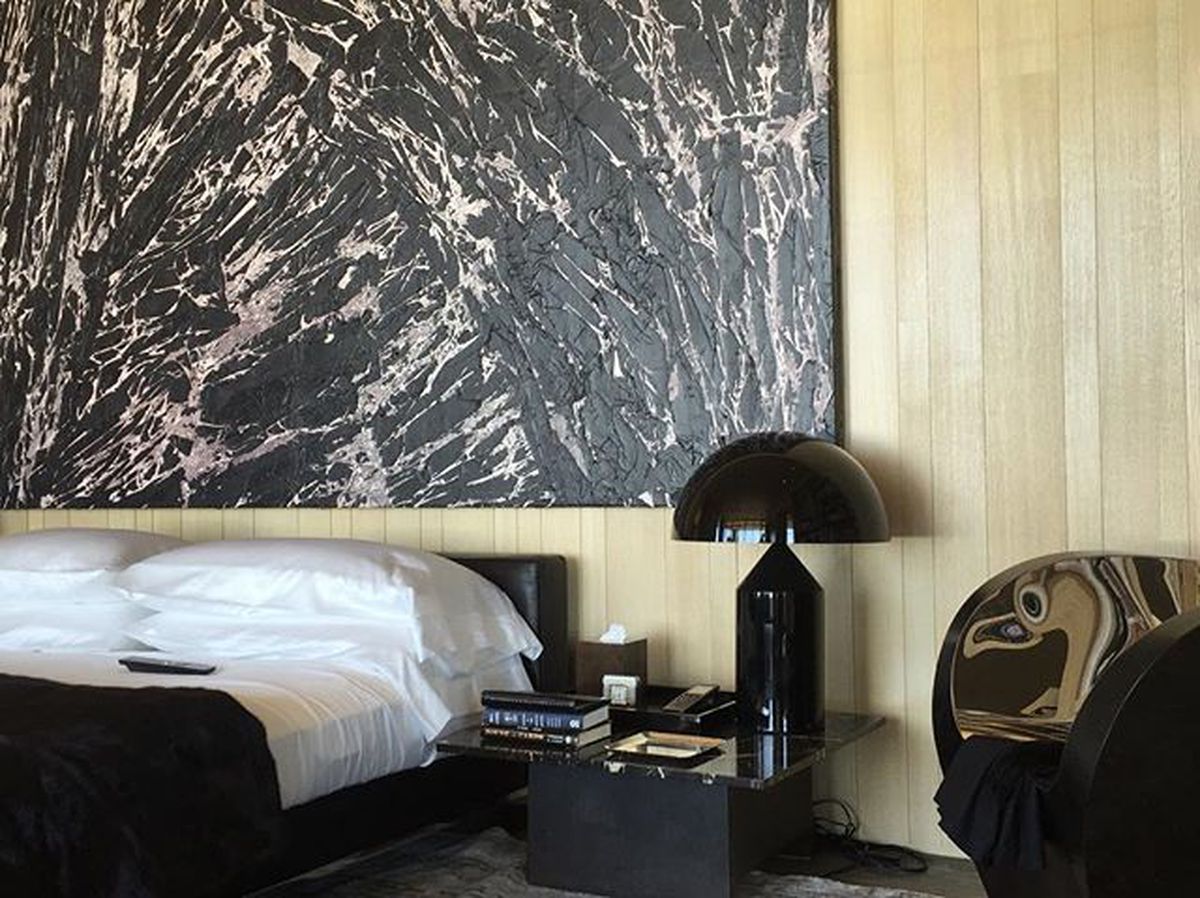
Luxury brands and elegant items appear in every scene – in the house that is, non-house scenes are far less elegant and far more disturbing – many are items that Ford owns and enjoys using himself. “I was given a list of things that he enjoys in his own life,” said prop master Ellen Freund. A Cartier clock and an Atollo table lamp by Vico Magistretti for Oluce sit by a bed swathed in Sferra sheets. Baccarat glasses, Asprey condiments and Wedgwood black basalt tableware and Diptyque candles and Dempsey & Carroll stationery.
“Tom Ford is unlike any other human being, You’re speaking to someone who did seven years of Mad Men, so I know about unique human beings.” says Freund, “Usually, when you work with a director who has a strong vision, you’re still often presenting ideas that they might work into their vision. This is not the case on a Tom Ford production. As Tom explained it, he sees a lot of himself in Susan Morrow. If we couldn’t find something, he’d have it brought over,” she added. “I nearly got fired at the very beginning for trying to talk Tom out of the pod coffee machine,” Freund continued, imagining Morroiw would own a fancier machine than a $350 Nespresso. “He just looked at me and said, ‘I have a pod coffee machine; they have a pod coffee machine’.”
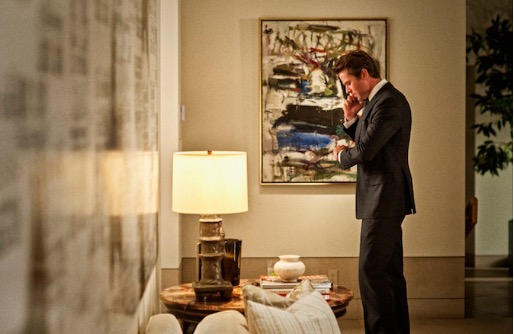
The art is nearly all original, carefully curated and very expensive. Ford was insistent on having original artwork throughout the film, much came from his own personal collection while other pieces came directly from the artists or private collections. Having expensive original pieces adds another layer of complexity to a shoot as outside shippers and art handlers are required to install and manage the art and permissions from the artists or their estates are required to show the works on screen. In this Ford’s personal connections, especially with Damien Hirst and Jeff Koons smoothed the process.
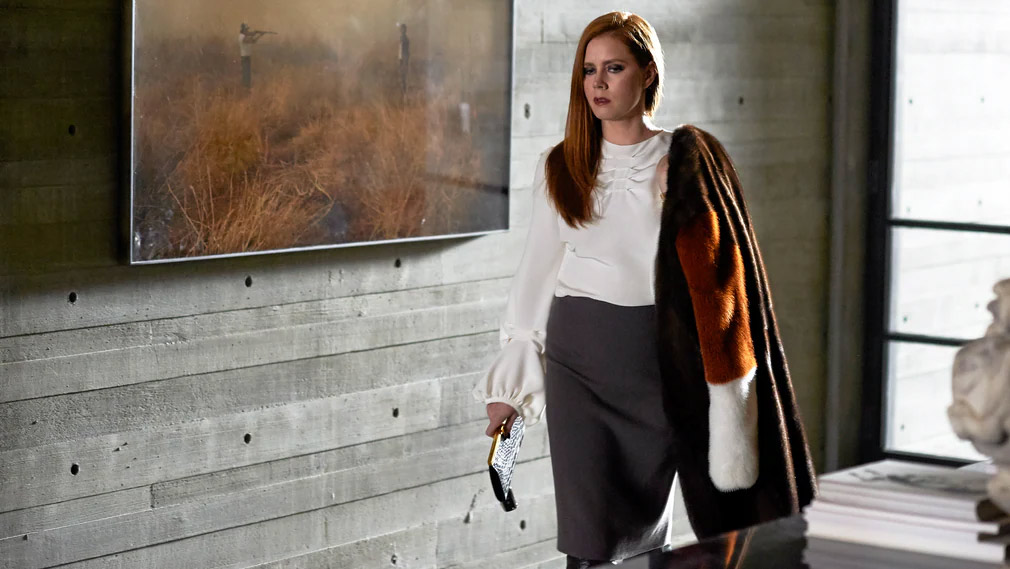
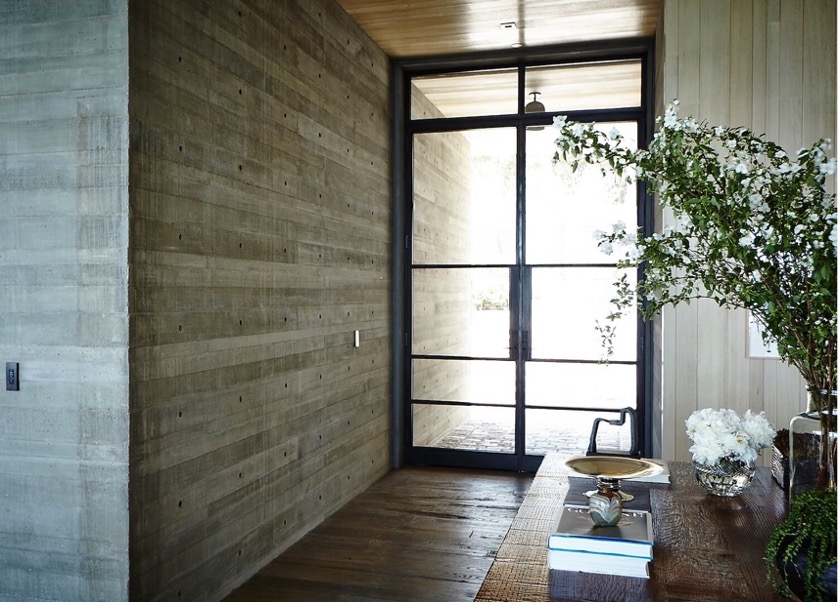
The art in the Morrow house is a mix of modern and contemporary works, and of a quality that befits her position as a blue chip art dealer. An Alexander Calder mobile (23 Snowflakes) hangs by a fireplace in the bedroom, a Jeff Koons ‘Balloon Dog’ sculpture languishes by the pool, a photograph from Richard Misrach’s Desert Cantos series (Desert Fires #153) hangs in the entryway and is seen prominently with Amy Adams in one of the publicity shots, a 14th century urn sits on the hall table alongside. Other works include a Robert Motherwell painting (Untitled – Elegy) and an Andy Warhol piece (Shadow) in the living room, a Mark Bradford abstract (Untitled 2015) in the bedroom and a provocative piece by John Currin (Nude in Convex Mirror) is framed by the red wall of Morrow’s office – actually a screening room at Creative Artists in Los Angeles. Some of the large sculptures, as well as the significant “Revenge” Painting in the walkway of the Los Angeles museum were designed and created by Ford and the film’s art department. Outside the house works by Damien Hirst, Julian Schnabel and Ed Ruscha also appear.
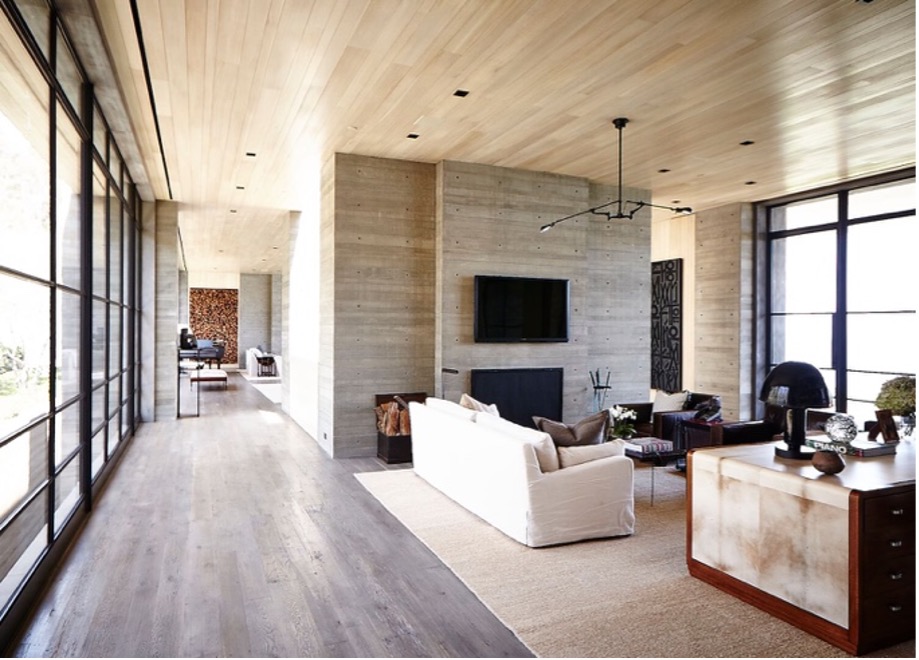
Production designer Shane Valentino worked with Ford on all of the sets and for Morrows house “We looked for spaces with long corridors and large rooms that made it feel as if Susan’s character was diminutive in some way or trapped in that world.” The glass, concrete, stone combined with dark furnishings and moody lighting are quite hard and unforgiving and accentuate the feelings. Valentino had to ‘cool down’ the actual house “It had a lot of warm wood tones, and that is something that we did not want to highlight in her existence.”
The actual house sits on a prominent bluff overlooking a Pacific Ocean framed by floor to ceiling windows. Long and low the discreet presence is enhanced by green roofs punctuated by concrete piers. Internal surfaces of white oak with antique granite pavers outside complete the simple palette of materials. New York interior designer Denise Kuriger furnished the interior with a mix of contemporary furniture interspersed with mid-century, Art Deco and industrial pieces as well as the odd 18th-century antique. The finished look is cool, clean and understated, but a look that Tom Ford had to harden to ensure that the house fulfilled its role in Nocturnal Animals.
